
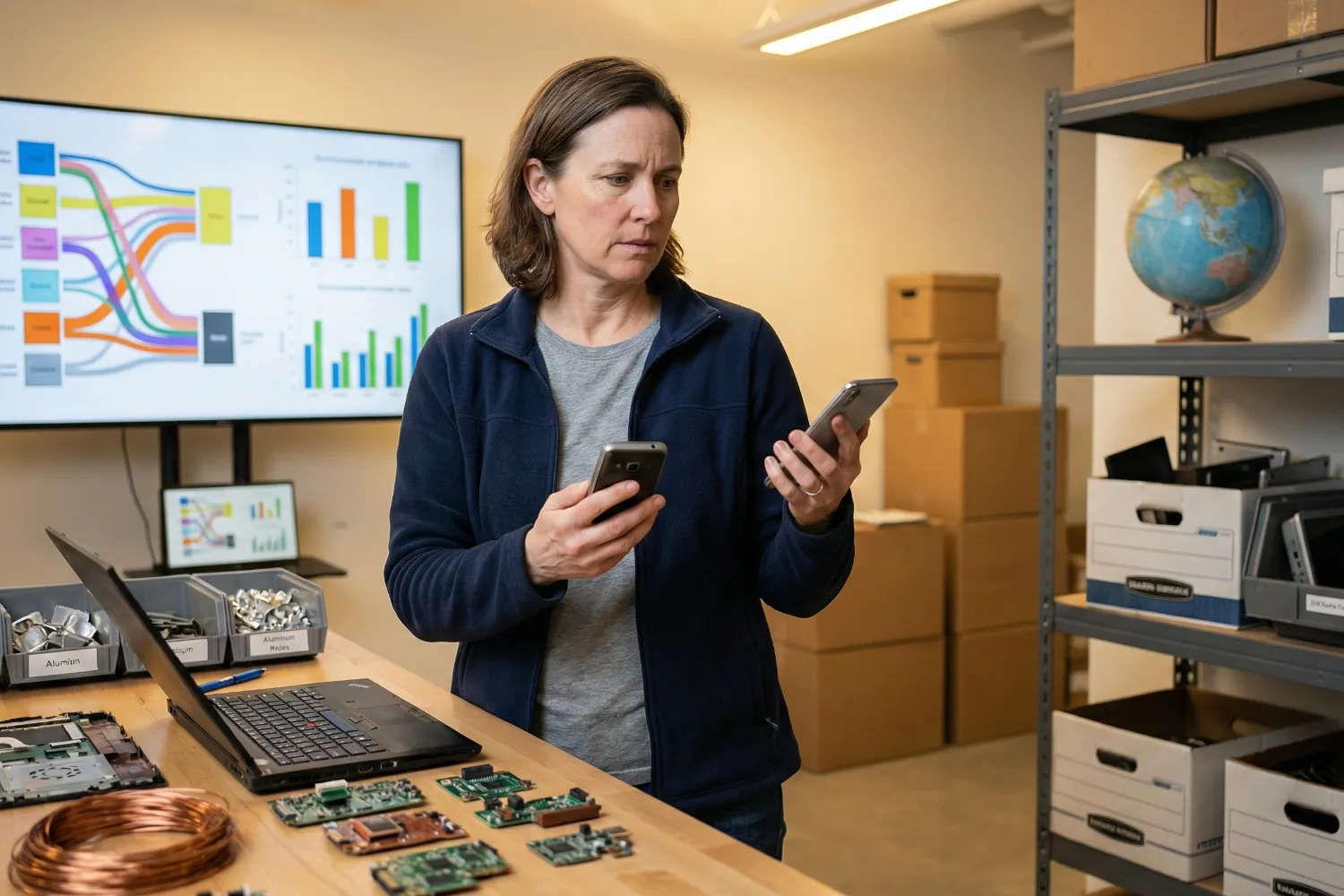
Replacing devices too early can create unnecessary waste, as manufacturing is often responsible for the largest share of a device’s total carbon footprint. It’s because every new phone, laptop, or tablet requires mining rare materials, energy-intensive production, and global shipping before it even reaches your hands.
At Chaire-Cycledevie, we’ve spent over two decades studying the life cycle of technology and its environmental impact. We understand how device replacement habits affect our planet.
In this article, we’ll walk you through how early replacement contributes to e-waste and why consumers upgrade too soon. We’ll also share the environmental benefits of extending device lifespan and practical steps to break the cycle responsibly.
Ready? Let’s begin.
How Early Device Replacement Contributes to Electronic Waste

Early device replacement contributes to electronic waste by creating demand for new manufacturing. Meanwhile, discarded functional equipment ends up in landfills or unregulated recycling streams.
Most of us own several electronic gadgets and like to replace them every few years. But the environmental cost of this habit is far greater than most people realise.
Here are some of the main ecological impacts of this habit:
- Hidden Carbon Cost: According to Carbon Trust, manufacturing accounts for around 80% of a smartphone’s total greenhouse gas emissions. The production phase, including material extraction and assembly, is the largest contributor.
- Global E-Waste Volume: The world generated 62 million tonnes of e-waste recently, and this figure rises by 2.6 million tonnes each year. To put that in perspective, it’d fill 1.55 million trucks lined up bumper to bumper around the equator.
- Low Recycling Rates: The World Health Organization (WHO) says that only 22.3% of electronic waste gets formally recycled worldwide. The rest ends up in landfills, incinerators, or is shipped off to informal processing sites in developing countries.
- Toxic Substance Exposure: Lead, mercury, and cadmium leak into soil and water when devices are improperly disposed of. These heavy metals accumulate over time and pose serious risks to human health.
- Lost Economic Value: As per the Global E‑waste Monitor 2024, the raw materials embedded in global e‑waste in 2022 had an estimated value of about US $91 billion. Yet, only roughly US $28 billion in materials were recovered through formal recycling.
Much of the thrown-out equipment ends up in the informal recycling sector. Specifically, countries like Ghana and Nigeria receive vast quantities of e-waste from Europe and North America. Workers there (sometimes children) burn circuit boards and use acid baths to extract copper and gold.
These methods expose them to toxic fumes and harmful chemicals. The result is respiratory problems, cancers, and neurological damage that affect entire communities for generations.
Why Do Consumers Replace Devices Before They Need To?

Consumers replace devices before they need to because of planned obsolescence, aggressive marketing for new models, and repair costs that rival the price of replacements. These three factors shorten device lifespans artificially. That’s how we end up with more electronic waste and more strain on the environment.
We’ll now explain why many devices are replaced long before they need to be.
Planned Obsolescence and Software Limitations
The average smartphone lasts three and a half years, but the hardware can function for six to ten years with proper support. That said, manufacturers stop rolling out software updates after a few years, which makes older devices incompatible with newer apps.
Put simply, your phone still works fine, but half your apps won’t load properly anymore.
Batteries tell a similar story. They degrade naturally over time, but replacements are often expensive or require specialist tools. For example, since a broken laptop screen can cost nearly as much as a newer model, most people just buy a new one.
Pro tip: Look for devices with replaceable batteries so you can keep them running longer without expensive repairs.
Marketing Pressure and Perceived Upgrades
Have you noticed how this year’s smartphone looks almost identical to last year’s? The differences are often negligible. However, advertising convinces us that older models lack essential features. In reality, though, flagship phones from four or five years ago still handle everyday tasks perfectly well.
Unfortunately, standard refresh cycles of two to three years have become normalised in workplaces and homes alike. That “slow” phone of yours probably just needs a factory reset or a new battery and not a complete replacement. Give it a try.
What Are the Environmental Benefits of Extending Device Lifespan?
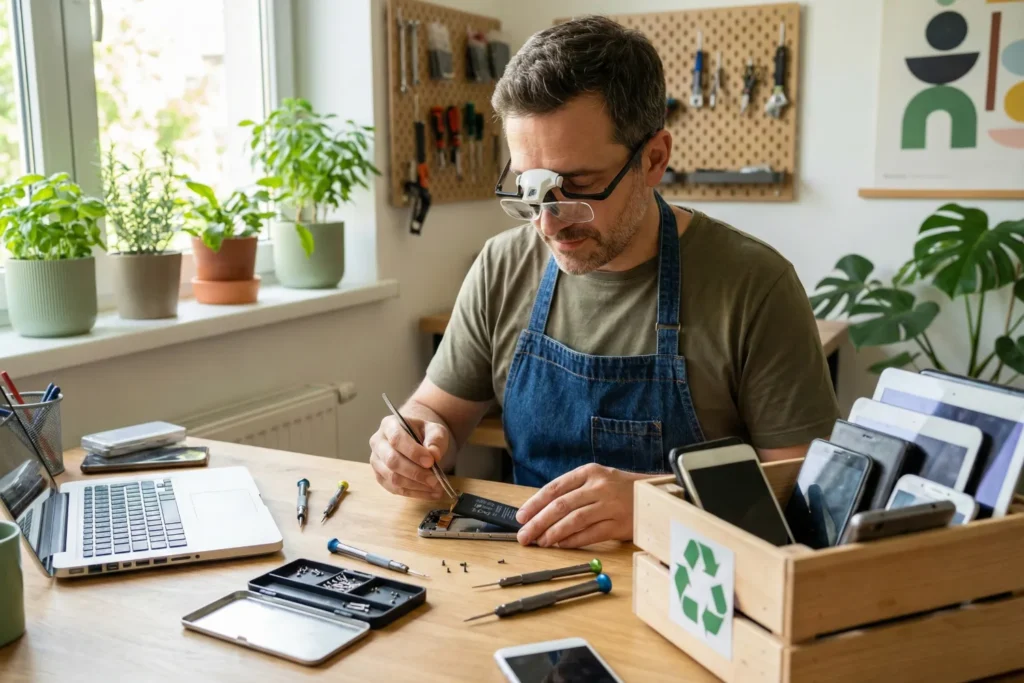
The environmental benefits of extending device lifespan include lower greenhouse gas emissions, reduced demand for raw materials, and less strain on recycling systems worldwide.
When you extend the lifespan of devices, you reduce the overall environmental impact of manufacturing. It also helps reduce the increasing amount of electronic waste.
Let’s take a closer look at the benefits of using an electrical device longer.
The One-Year Rule for Carbon Reduction
Keeping your smartphone for an extra year can lower its carbon footprint considerably. As we mentioned earlier, most of a device’s emissions come from manufacturing. That’s why using it longer reduces the overall impact (our old tech still deserves a second chance).
According to the European Environmental Bureau (EEB), extending the lifespan of smartphones and other electronics by one year could save around four million tonnes of carbon dioxide annually. It’s the equivalent of removing approximately two million cars from the road for a year.
Reduced Demand for Raw Material Extraction
Fewer new devices means less mining for cobalt, lithium, and rare earth elements. These materials require energy-intensive extraction, often in regions with poor environmental protections (the less we dig, the more we save).
In parts of the Democratic Republic of Congo, cobalt mining has been linked to environmental contamination, including polluted water sources. This incident has disrupted local communities and livelihoods in some mining regions.
But if we keep devices for longer, the demand for these limited resources decreases. In turn, it reduces the pressure on mining areas, even if just a little.
Less Pressure on Recycling Infrastructure
Did you know that recycling facilities are struggling to keep up with the growing volume of e-waste? And only a small fraction is formally recycled. The UN predicts that, if trends continue, this rate will decrease to 20% by 2030.
That’s where using devices longer helps out. Fewer devices entering the waste stream means less hazardous material requiring specialised processing.
Useful tip: When upgrading to a new device, try to resell, donate, or recycle the old one properly to reduce its environmental impact.
Alignment with Circular Economy Principles
The circular economy means keeping products in use for as long as possible through repair, reuse, and recycling. This way, you keep valuable materials in circulation instead of sending them to landfills (reusing is the ultimate green move).
For instance, Apple‘s Daisy robot can disassemble up to 1.2 million iPhones per year. The goal here is to recover aluminium, cobalt, tungsten, gold and rare earth elements for future products. An approach like that reduces waste while preserving economic value.
How Can You Break the Replacement Cycle Responsibly?
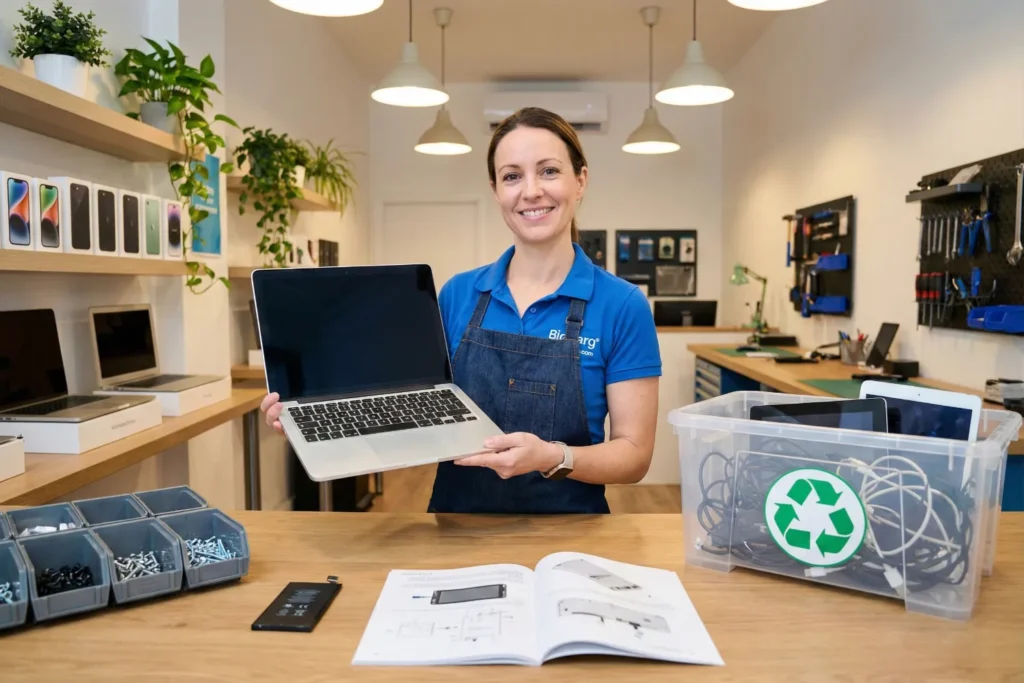
You can break the replacement cycle by repairing devices, buying refurbished ones, and using certified e-waste recyclers when it’s time to dispose of them. These simple steps have a huge impact over time.
You can start with the following options:
- Right to Repair Laws: California, Oregon, Colorado, Minnesota, and the EU now require manufacturers to provide spare parts and repair manuals. It means you can finally get your phone fixed at a local shop without voiding warranties.
- Battery and Component Replacement: Battery wear is one of the most common reasons older phones feel slower over time. Batteries naturally lose capacity with age, which causes issues with the power delivery. Plus, software demands and hardware limits also affect how a device performs as it gets older.
- Buying Refurbished: When you buy a refurbished device, it has been thoroughly tested to ensure it works well. This way, you get a reliable phone while helping keep a perfectly good device out of the waste stream.
- Extended Producer Responsibility Programmes: Companies like Dell and HP now offer free take-back schemes for their products. They handle the recycling properly, so you don’t have to figure out what to do with that old laptop gathering dust.
- Certified E-Waste Disposal: Once a device truly reaches the end of its life, certified recyclers recover valuable materials safely. This action also prevents toxic substances from leaching into soil and groundwater.
Each of these choices contributes to reducing the waste and inefficiency caused by frequent device replacements.
What You Can Do Right Now to Reduce E-Waste
You now know that replacing devices too early drives e-waste and wastes valuable resources. It also puts unnecessary strain on recycling systems that are already struggling to keep up. But you can reduce these impacts by holding on to your devices longer and choosing responsible repair or recycling options.
Next time your phone feels sluggish, try a factory reset or battery replacement before heading to the shop. And when you do need something new, consider refurbished first. Also, when a device reaches the end of its life, find a certified recycler in your area.
If you want to learn more about technology’s environmental impact, explore our other guides on e-waste and sustainable tech choices. Find out simple steps you can take to make your tech habits more eco-friendly.