
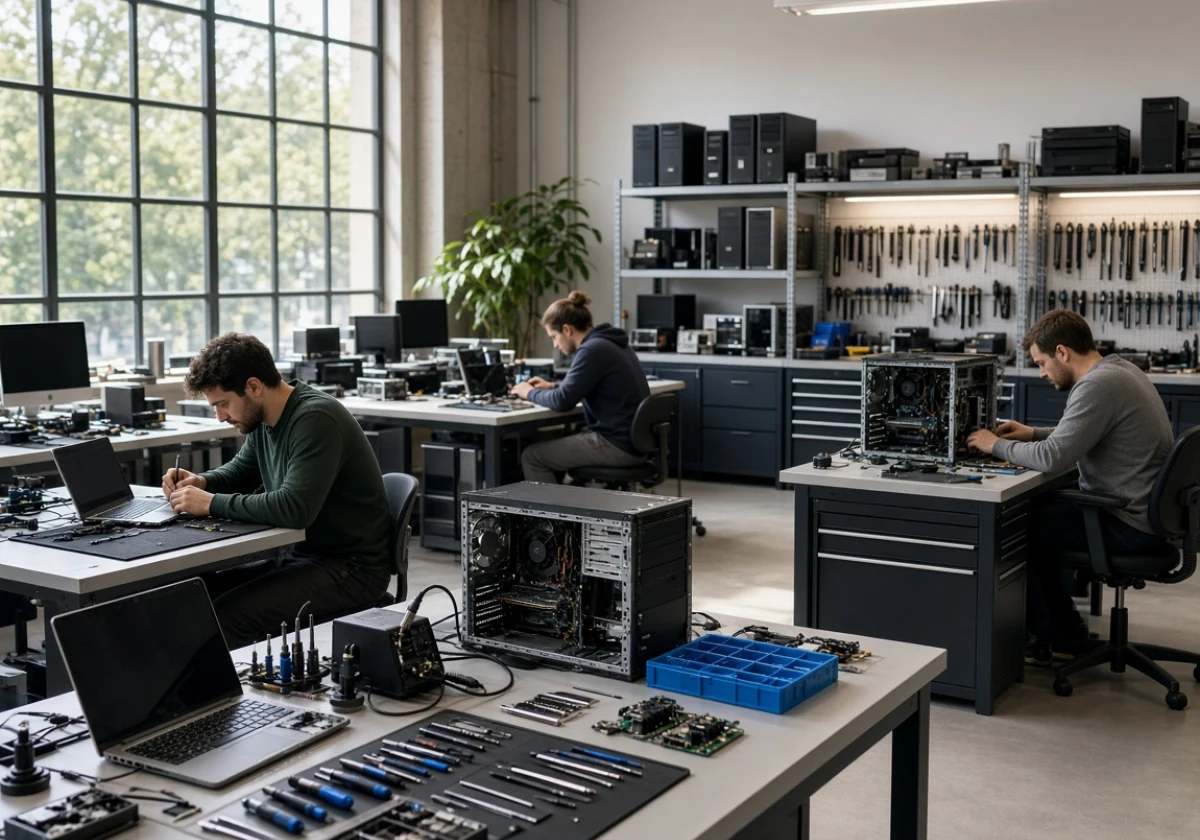
Computer design decisions affect environmental impact by locking in a machine’s energy consumption, repairability and electronic waste for its entire lifecycle. Those early choices also tend to be the cheapest to change. A different alloy or a screw instead of glue costs little on paper, yet it can cut environmental impact for every unit that ships.
Yet most green effort arrives late, aimed at recycling bins and power-saving settings. By then, the materials, chip and casing are already set. Chaire-Cycledevie is an educational resource that helps designers, buyers and students understand how computers affect the environment from raw material extraction through to disposal.
Sustainable Computer Design: Where Environmental Impact Begins
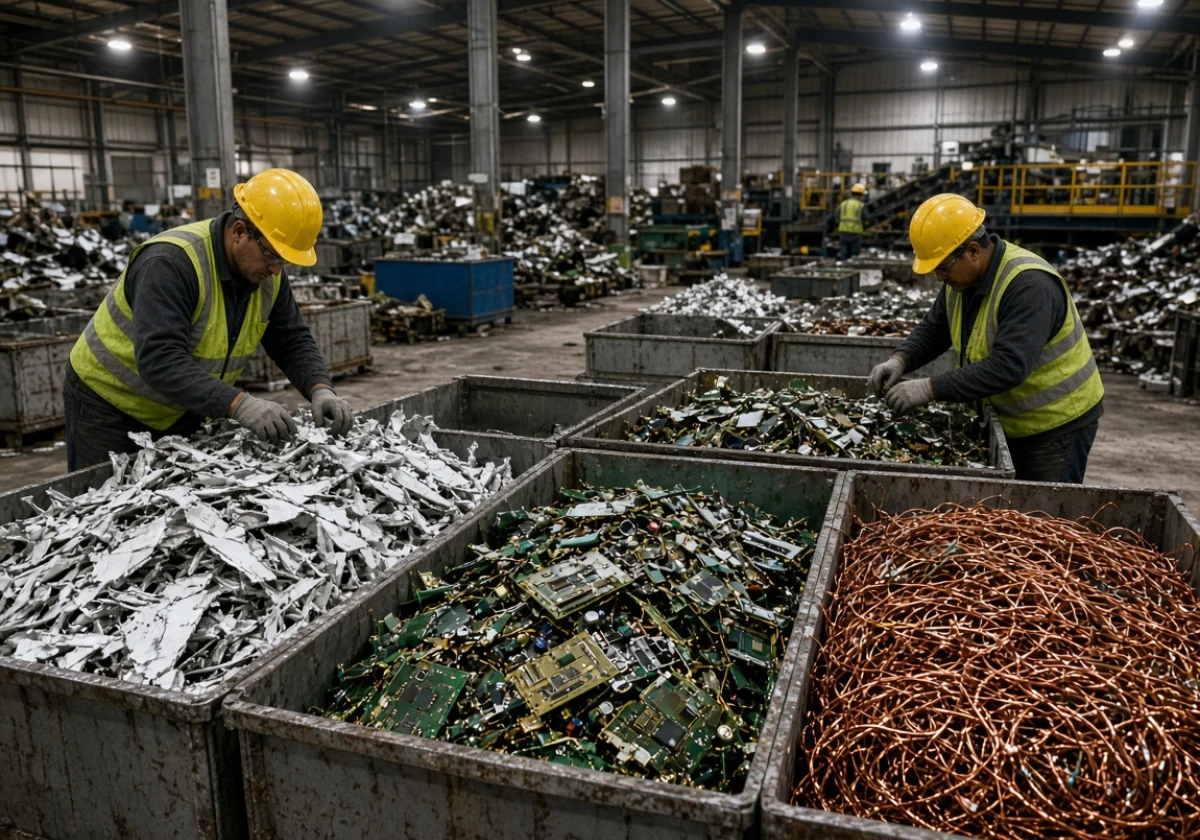
The design stage fixes more than 80% of a product’s lifecycle environmental impact, according to the EU Ecodesign for Sustainable Products Regulation. Computers are no exception, so designers settle much of a machine’s environmental footprint on paper.
In sustainable computer design, three decisions carry most of that weight: materials, energy efficiency and repairability. Sustainable product design in other sectors weighs the same three, though the balance shifts by product.
Materials and Manufacturing Set the Carbon Footprint Early
Producing the parts inside a computer releases a large share of its carbon emissions before assembly starts. For laptops and phones, chips, circuit boards and screens account for much of that manufacturing footprint. Designers choose those parts and their materials on day one, long before a factory is booked.
Metals add their own load. Recycled content cuts it. Every kilogram of reclaimed aluminium or copper skips the digging and crushing that new metal needs. Recycled aluminium uses roughly 95% less energy to process than primary metal, so the material choice alone shifts the carbon footprint before production begins.
In practice, recycled and eco-friendly materials belong in the supply chain brief from the first draft. If the brief leaves that line blank, suppliers will quote on new stock by default.
Energy Efficiency Starts at the Drawing Board
The chip decides most of a machine’s energy efficiency, and power settings add smaller gains later. Hardware design choices like the processor and the cooling system set the minimum energy a machine can use.
That chip choice has grown in importance as artificial intelligence workloads push processors harder. A processor that finishes the same task in fewer steps, however, cuts power consumption on every machine it ships in.
Owners see the saving on their electricity bill, yet the larger gain comes from scale. One efficient chip design repeats across millions of finished machines. Sustainable hardware works this way because a single design choice reaches more devices than any user setting can.
How Repairable Products Cut Electronic Waste Later
Reducing e-waste starts with parts users can replace, such as a swappable battery or a panel held by standard screws. A battery is often the first part to fail, and a user who can replace it in minutes keeps the laptop running. Each repair pushes back the day a working machine ends up in a landfill.
Those extra years count, because recycling isn’t keeping pace with electronic waste. The Global E-waste Monitor 2024 expects documented collection and recycling to drop from 22.3% in 2022 to 20% by 2030.
Keeping a computer in use for longer avoids the emissions of building its replacement. Modular design keeps more electronic devices in service while recycling capacity slowly catches up.
Why Does Green Computing Depend on the Technology Lifecycle?
Electricity is only one part of a computer’s footprint. Counting only the power a machine draws hides the mining, moulding and shipping behind it. For laptops and phones, manufacturing often produces a larger share of total emissions than years of daily use.
A lifecycle view adds those hidden stages back in. It tracks a machine from raw material extraction through manufacture, transport and daily use to final disposal. Each stage then carries its own measurable cost, and the power socket becomes one step among several.
Life cycle assessments also show that carbon footprints differ between machines. Manufacturing produces most of the emissions for laptops and phones. Desktops, servers and the data centres that house them spend more of theirs during years of daily use.
For that reason, the same green computing advice won’t fit every device. Keeping a laptop for two extra years spreads its build emissions over a longer working life. A server room gains more from better cooling and renewable energy. Buying decisions shift too, since a sustainable technology choice often means refurbished rather than new.
The circular economy follows the same logic, and it runs through most sustainable computing practices. Reuse comes first, recycling second and landfill last. Sustainable products built to suit a second owner avoid both the waste of disposal and the emissions of a new build.
Weighing Hardware and Software Choices for Lower Energy Use
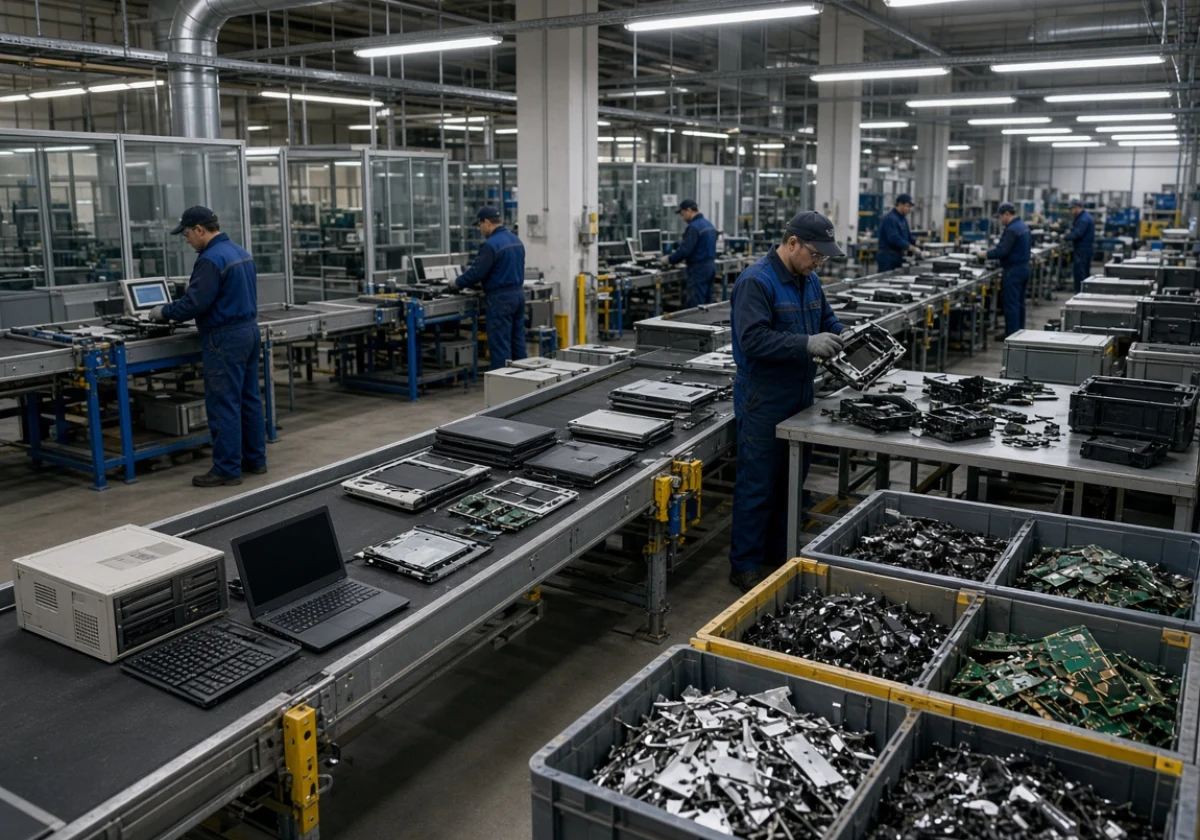
Energy savings come from two places in any computer: the physical machine and the code that runs on it. Hardware and software affect energy use on different timelines. If your team is weighing new laptops against leaner code, the table below will help you compare them. It shows where each saving lands and when each option can still change.
| Decision point | Hardware choice | Software choice |
|---|---|---|
| Where the saving lands | Manufacturing plus daily power draw | Daily power draw only |
| When you can change it | Locked at the design stage | Patchable after release |
| Typical lever | Efficient chips, modular parts | Leaner code, smaller files |
| Effect on device lifespan | Repairable parts extend use. | Lean updates Keep older devices usable |
Here’s a simple rule: fix hardware before launch, then keep improving software for as long as the product ships updates. The chip sets the lowest energy use a machine can reach, and green software decides how close it gets.
Sustainable web design and sustainable UX follow the same idea, since a lighter page asks less of every device that loads it. Software updates also decide how long older hardware stays usable, so lean code can delay a new purchase.
Building Sustainability Into Digital Product Design From Day One
Many teams still treat design sustainability as a late add-on, even after they see the lifecycle figures. Yet the cheapest fixes sit at the start of the design process, before suppliers quote or tooling begins. Reviewing each stage of a computer’s life points to the same short list of changes.
Here are four build choices that cut the footprint of sustainable digital products, and each one fits into an early planning meeting.
- Choose Recycled Materials: Specify recycled plastics and metals before suppliers send their first quotes. Suppliers price what you ask for, so a late request often means new stock by default. Ask each supplier to state the recycled share of every major part in writing.
- Design for Disassembly: Modular design lets users replace a battery or a drive instead of the whole machine. Standard screws and labelled parts let independent repair shops service it. Avoid glued batteries and soldered storage wherever the product allows.
- Plan for Renewable Energy: Renewable energy lowers the footprint of the factory and of the data centres a product relies on. Ask manufacturing partners what share of their power comes from renewable sources. For cloud-based products, choose hosting regions that run on cleaner grids.
- Write Efficient Software: Sustainable software design means leaner code that draws less energy on every device running it. Smaller files and fewer background calls make eco-friendly digital services lighter on phones, laptops and servers. Set a data budget early and review it before each release.
Most of these choices cost less when teams make them early, before tooling starts and supplier contracts close. Add all four to your kick-off checklist for sustainable digital design, so each one has a clear owner from the first meeting. That way, sustainable design practices become part of the plan from the start.

Make Your Next Design Decision Count
Your next design decision will set the energy use, repair options and disposal path of every machine built from it. Before the brief closes, check three things: the recycled materials share, the processor’s power draw and whether users can replace the battery.
Each of those checks costs little at the planning stage and far more once production starts. Raise them at your next kick-off meeting, while changing course is still cheap.
Chaire-Cycledevie explains the lifecycle of computers and the impact technology has on our planet, stage by stage. Contact us to learn more about each stage and make better-informed choices for sustainable development in your next project.