Every computer carries a social history that starts long before you open the box. Mining, factory labour, and shipping all leave their mark, and hundreds of workers have a hand in what sits inside your device before it ever reaches a shop shelf.
Yet most technology buying advice stops at price, screen size and speed, which keeps that human cost out of view. At Chaire-Cycledevie, we study how companies design, build, and dispose of computer systems, so we look at the whole story behind ethical technology rather than the spec sheet alone.
This guide follows your machine stage by stage, along with showing who touches it all the way, what brand reporting really proves, and which buying habits shift the pressure. Besides, you’ll also see where published audit data stops short, starting with the supply chain itself. Let’s begin.
The Technology Supply Chain: Social Impacts at Every Stage
Your laptop passed through dozens of hands across several countries before it ever reached your desk. That journey is the technology supply chain, and each leg of it brings its own ethical challenges.
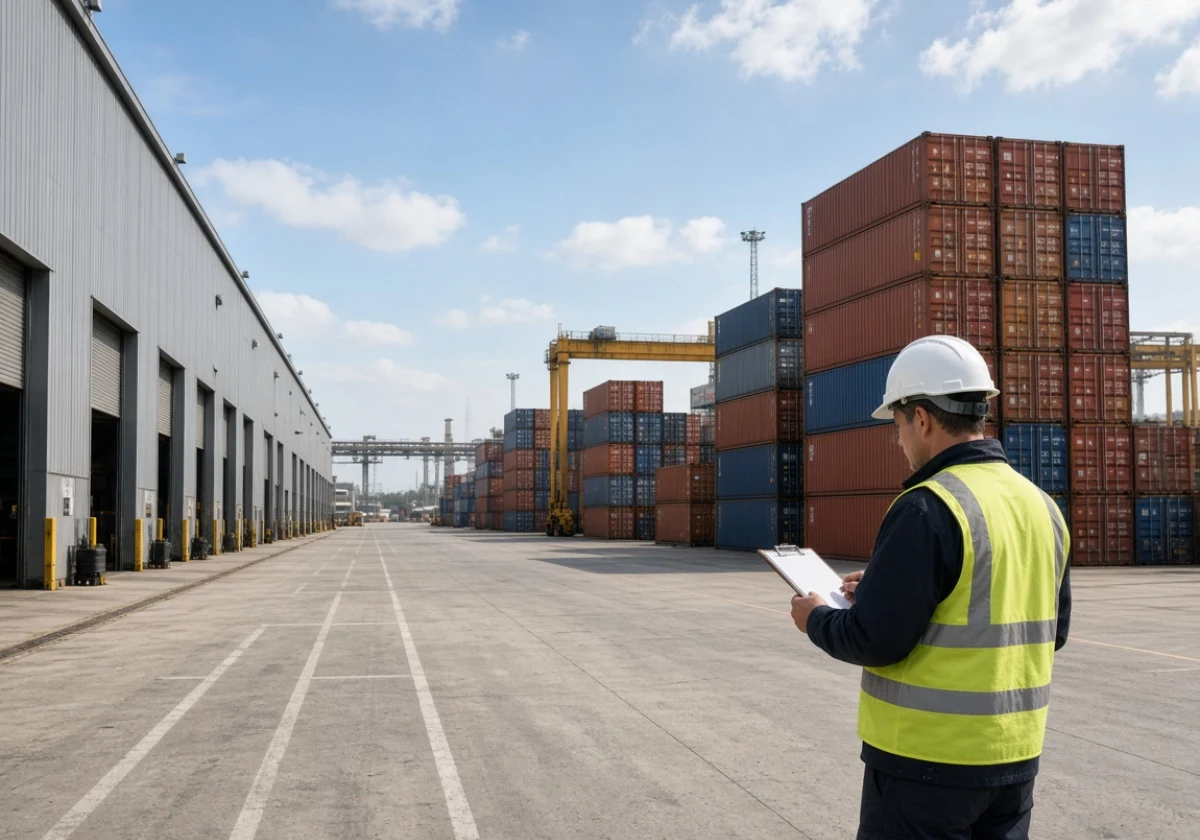
Three stages carry most of the social impact, so we’ll take them in the order your machine travelled. Mining comes first, then assembly, then the trade routes that bring the finished box to you.
Stage 1: The Source of the Minerals in Your Machine
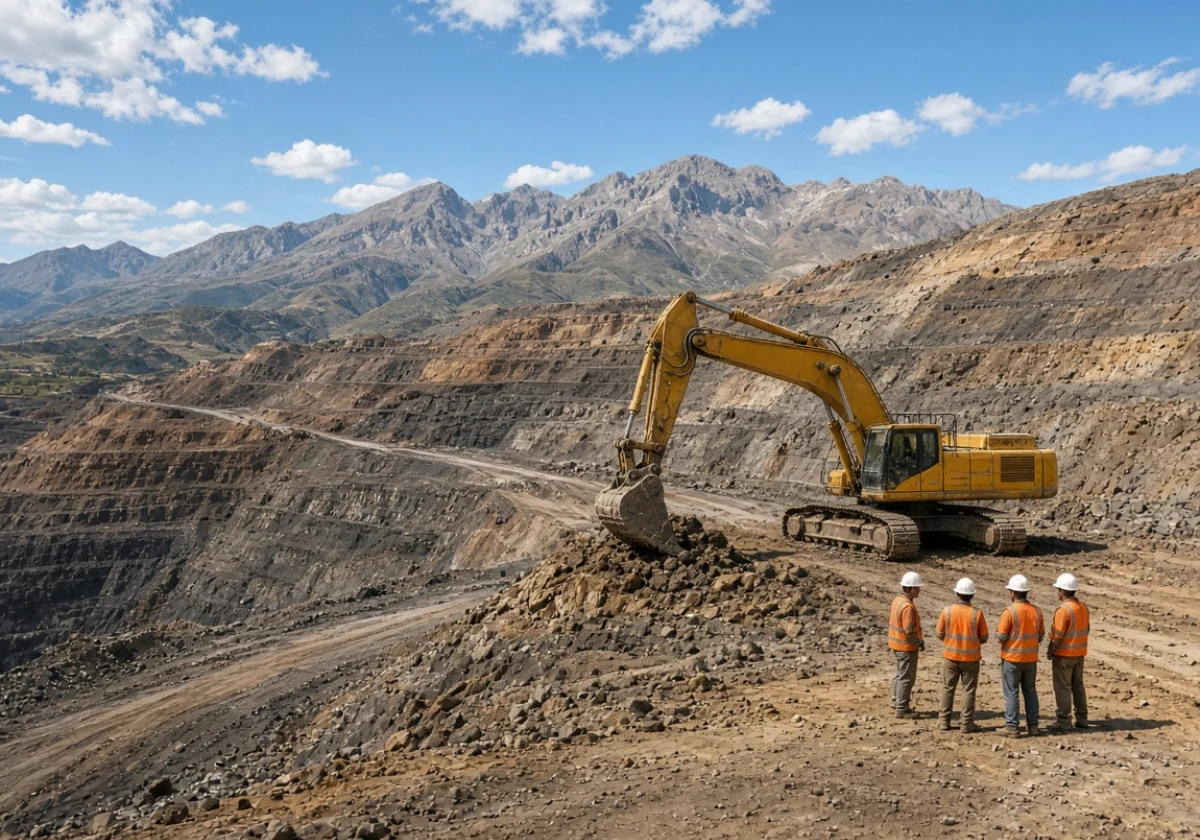
The metals in your laptop come out of the ground in just a handful of countries, and those same countries control the refining as well as the mining. If you want a sense of the scale, take a look at the UK critical minerals strategy. It shows that China runs most of the rare earths supply chain, with 70% of rare earth mining and 90% of the refining.
Look, we get it. Most of us never think about what’s inside our computer, and why would you? But here’s the thing: a single laptop draws on dozens of different elements, and safety checks vary a lot from one site to the next.
On top of that, smaller mines often sit outside any audit at all, so that’s where ethical rules tend to run out. On top of that, smaller mines often sit outside any audit at all. So evidence of unsafe tunnels and unpaid hours may remain undocumented (no inspector on site means no paper trail).
So the ethics of your device really start underground, years before anyone puts it together. That’s also why campaigners keep such a close eye on smelters, because they sit at the narrowest point of the whole chain.
Stage 2: Factory Conditions in Computer Assembly
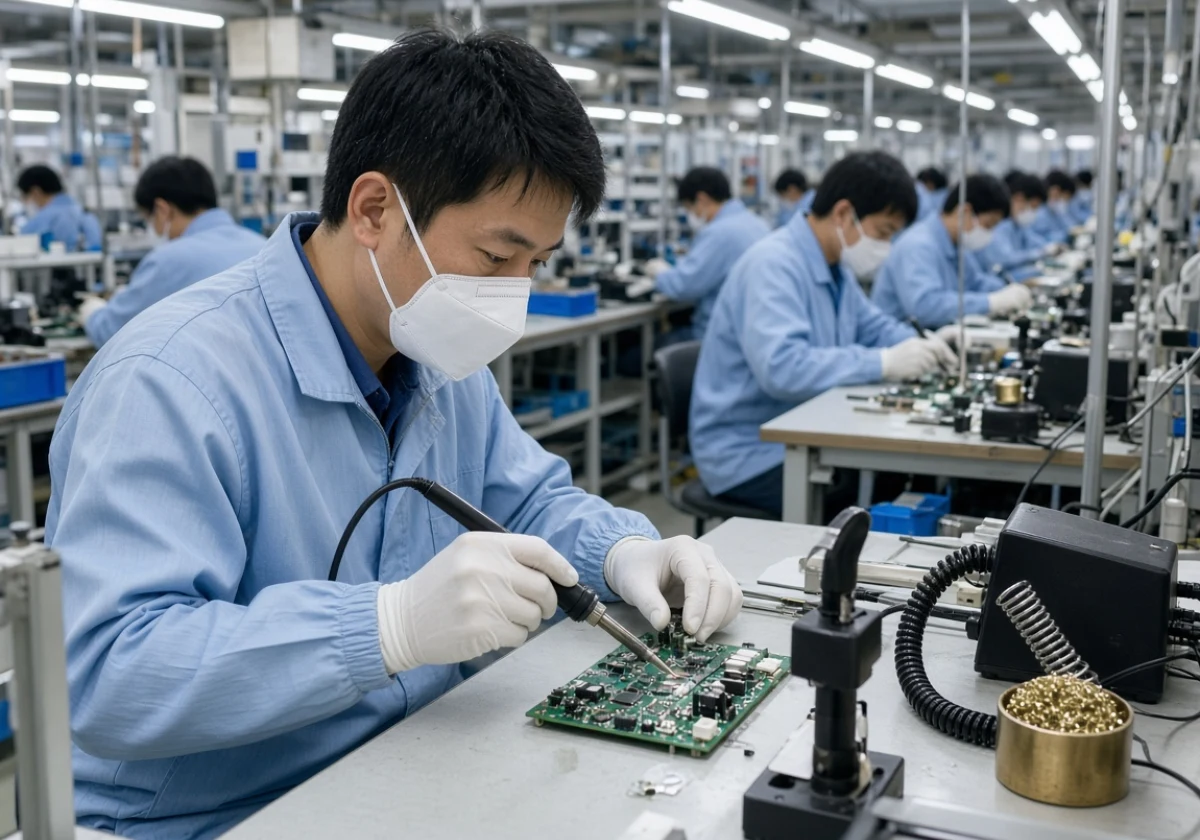
Moving to the assembly line, plants turn refined metal into boards, screens and casings. Those orders run on short contracts with hard deadlines, and workers absorb the pressure through overtime. Student placements often take the worst of it.
In practice, the recurring human rights issues are recruitment fees, wage deductions and hours that run past legal caps. Having read through stacks of factory monitoring reports, we’ve seen the same three problems repeat across different suppliers.
So a finished product hides a labour record that no spec sheet carries. One reason independent monitors exist is that brands rarely publish the uncomfortable findings themselves.
Stage 3: Trade Routes and What Supply Chain Data Reveals About Workers
Once a machine leaves the plant, it joins global trade, and published data turns scattered stories into a pattern you can measure. The scale surprises a lot of shoppers. Walk Free says modern slavery should be a top priority for G20 countries after the W20 Social Summit.
Each year, US$468 billion worth of imported goods carries a risk of forced labour in supply chains. That figure covers far more than computers, yet electronics sit high in the risk tables.
Although supply chain data reveals a great deal, it has limits, because most of it stops at the first-tier supplier. That leaves gaps that ethical decision-making has to work around. Even tracing one laptop from mine to desk takes weeks of life cycle work, and the paperwork still runs out at the smelter.
Why Does Ethical Technology Surpass the Gadgets We Use?
Ethical technology surpasses gadgets because production decisions reach miners, factory workers, and whole communities before anyone switches a device on. They eventually affect pay, safety, and human flourishing in places you’ll never see. Put simply, ethics in technology starts at the mine and the factory gate, rather than the power button.
By the time you press that button, the ethical choices have already been made. Tech ethics isn’t a label you buy at the till, but a set of decisions other people made first. Beyond that, the same questions follow the tools you use every day, including the ones sold as social good. Data centres running AI systems need hardware too, so demand for machine learning chips pulls more metal out of the ground.
So responsible AI reaches past bias in outputs and data privacy settings. The ethical implications of artificial intelligence include the mining behind every server rack, which makes hardware part of ethical AI development. Every model that trains, and every social media feed that serves you content, sits on boards someone assembled by hand.
Gradually the machine becomes waste, and the social implications show up fastest at that end of the chain. Informal recycling yards strip boards by hand, which sends lead and mercury into the people doing the work.
Meanwhile, ethical decision-making doesn’t stop at the factory, and ethical innovation shows up in whether a designer makes a product repairable. Those design choices decide whether a fault means a fix or a landfill run. If a shop has ever told you a three-year-old laptop isn’t worth mending, you’ve met that decision.
Because of this, ethical technology use covers the whole life of the object, not just your screen time. Holding a laptop longer slows how often the cycle repeats (the greenest computer is the one you keep).
Weighing Up the Ethics of Major Computer Brands
With the supply chain mapped, comparing how major brands handle sourcing and labour helps you pick a computer that matches your values. You’ve probably scrolled past a sustainability page without ever opening the supplier list behind it.
The table below sorts the documents brands publish by what each one proves about ethical practices on the ground. Read the right-hand column before you open a single PDF.
| What brands publish | What it tells you about social impact | What to look for as a buyer |
|---|---|---|
| Sourcing reports | Which mines, smelters and countries feed the product | Named smelters and a dated supplier list, instead of regional summaries |
| Labour audits | Whether an outside body checked hours, pay and recruitment fees | Third-party monitors, plus findings that include failures |
| Repair policies | How long the design keeps a device usable and serviceable | Spare part prices, service manuals and battery replacement terms |
| Privacy policy and data terms | How the company treats you once the machine is running | Plain wording on data sharing and a clear opt-out |
No single document proves a brand treats workers well, yet reading them together narrows your shortlist fast. Some brands publish ethical guidelines for AI and still refuse to name one smelter, which tells you plenty (silence on sourcing is a kind of answer too).
Small Steps That Make Your Next Computer More Ethical
Now that you know where the problems sit, you can shop with a clearer conscience. These habits rest on two principles: buy less often, and buy from companies that show their work.
We’ve listed them in the order you’ll meet them, beginning at the shop counter and finishing when your machine retires. Each one costs you a few minutes of checking and nothing else.
- Buy Refurbished First: A refurbished machine adds no fresh demand for mining, since the metals inside it left the ground years ago. What you’re paying for instead is the testing and repair work that brought it back to life. Warranty length is a useful clue here, as a seller offering 12 months of cover has usually tested the hardware properly.
- Check Sourcing Reports: How far can a brand really trace its materials? Its supplier list tends to give the game away. When smelters appear by name, the tracing is probably genuine, whereas vague wording usually means the brand can’t follow its own metals. It’s worth opening that list before you pay, and if not a single smelter is named, another brand will likely serve you better.
- Keep Devices Longer: Every extra year with the machine you already own pushes back the mining, assembly, and freight that a replacement would need. Often a battery swap or a memory upgrade is all it takes to get another year or two out of it, at a fraction of the price of a new laptop. So before writing off a slow machine as finished, a quick quote from a local repair shop could change your mind.
- Recycle Through Proper Channels: When the machine finally retires, your council and most brand take-back schemes will pass it to certified handlers. They record where each part ends up, and that record is what keeps boards out of burning yards. Once you’ve wiped your data, a drop-off can usually be arranged through your council’s website or the brand’s take-back page.
Pro tip: Start with the repair policy rather than the sourcing report, because repairability is the easiest claim to verify. If a brand sells you a replacement screen and publishes the manual, its wider claims about human values carry more weight.
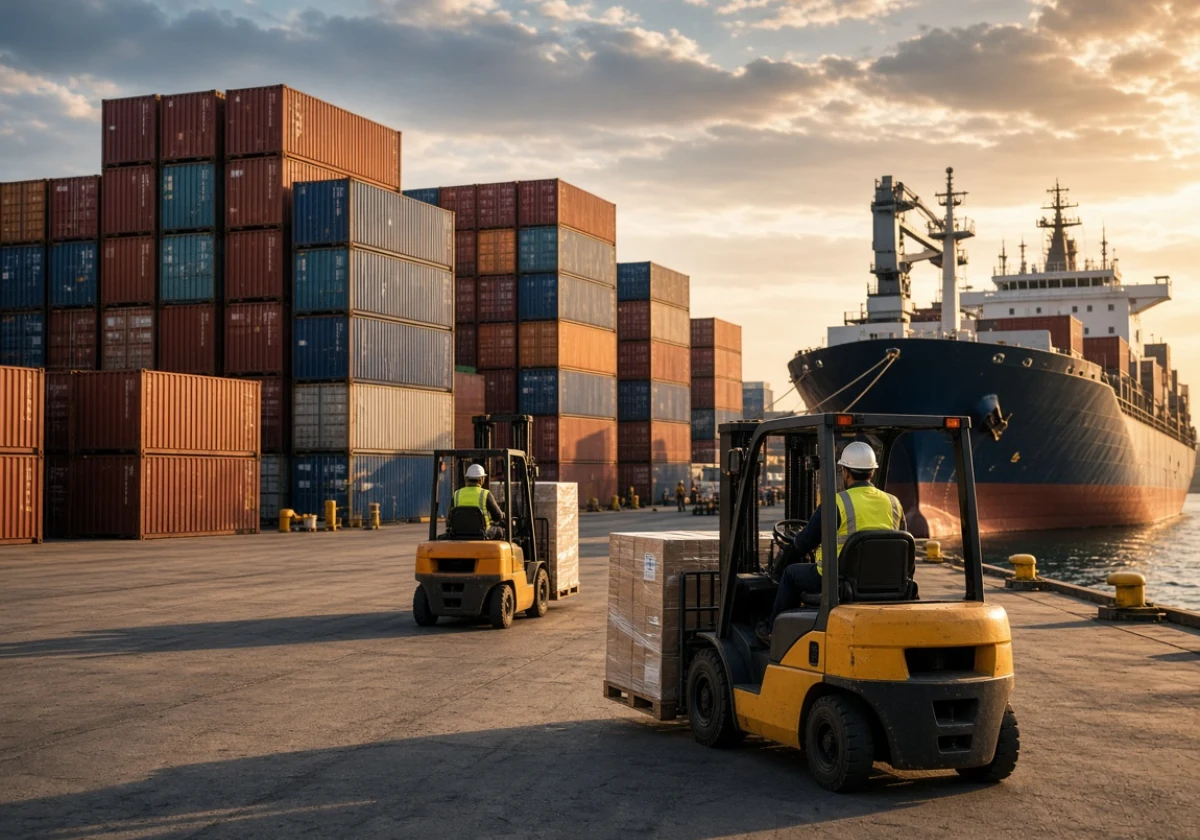
Choose Your Next Computer With People in Mind
Someone decides the social cost of a computer long before it reaches you, in mines, factories, and shipping routes. If you truly realise that, it changes what you look for when you compare technologies on a spec page.
You can start with the machine you own by keeping it running another year. When replacement time comes, weigh sourcing and repair records as heavily as processor speed.
Chaire-Cycledevie works on the full life cycle of computers, starting from raw material through to recycling. Contact us to learn how design and disposal choices influence the ethics of the technology you buy.