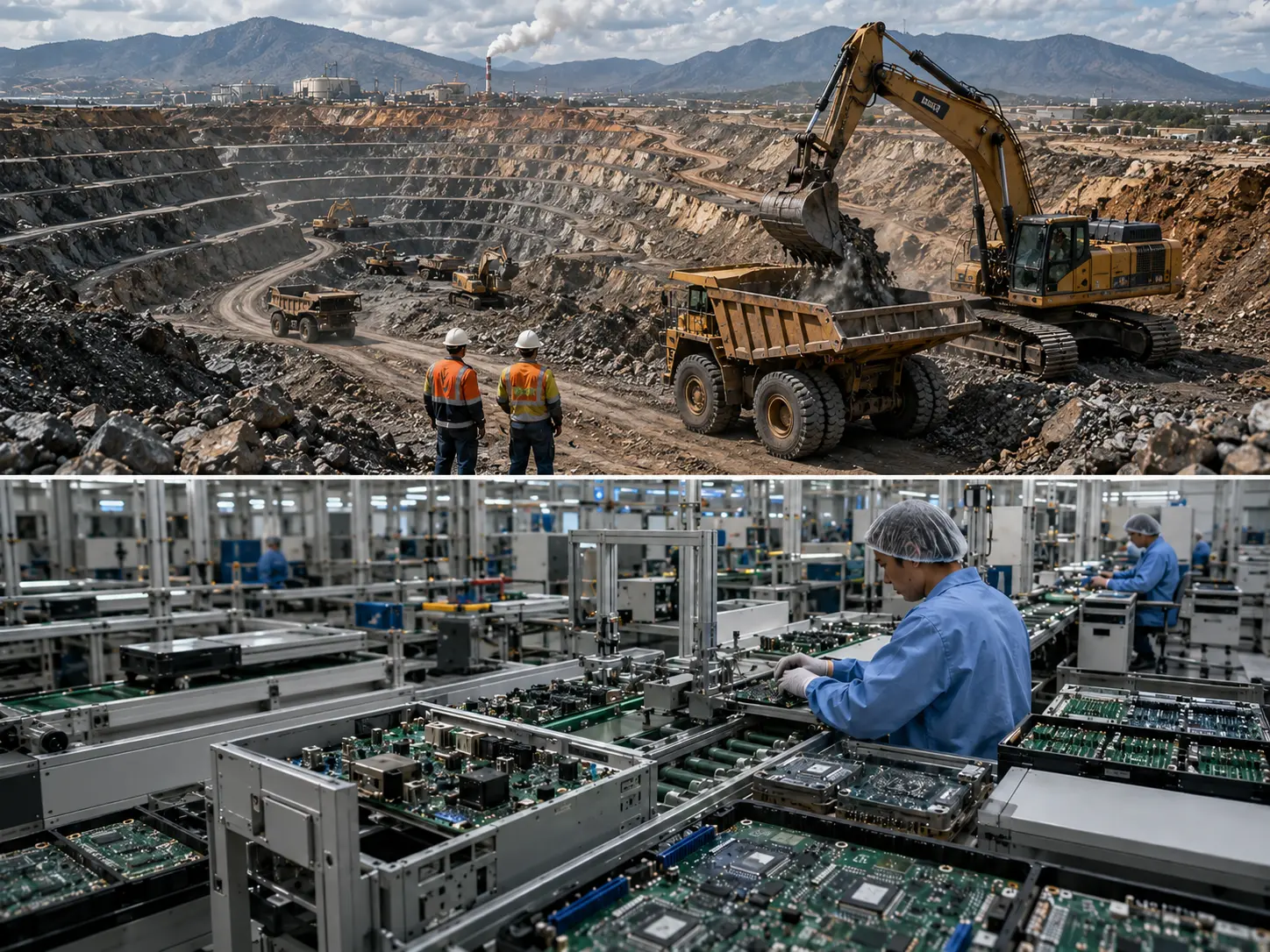
A computer’s life starts deep underground, in the mines that supply the raw materials powering every chip, screen, and circuit board. Each stage along the way leaves a lasting environmental footprint.
Most people never think past the screen in front of them. But every electronic device they own has already travelled through an extraordinary chain of extraction, manufacturing, and distribution before it ever reached their hands.
At Chaire-Cycledevie, we have spent over two decades studying the full computer lifecycle, explained in detail. Drawing on that experience, this guide provides insight highlighting what happens before a device reaches your desk and after it leaves service. It also pinpoints where the environmental impact hits hardest.
How Electronic Components Are Made and Why It Matters
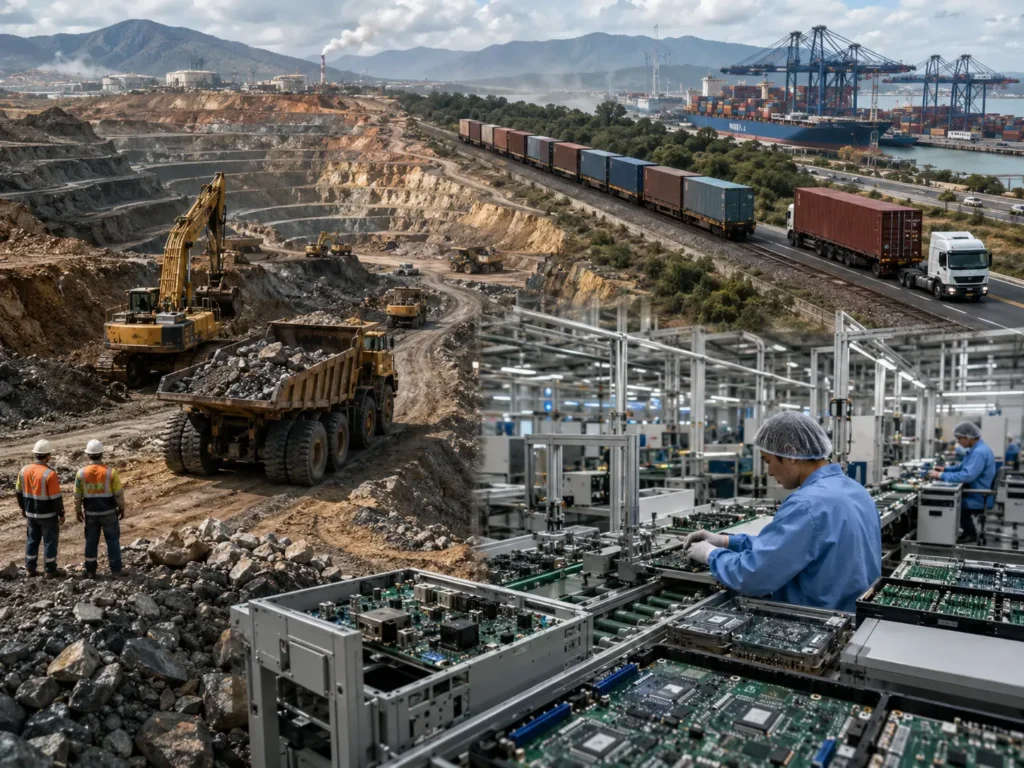
As we mentioned, every device has already passed through a complex network of resource extraction, manufacturing, assembly, and transportation. Each phase carries environmental, social, and economic consequences that affect communities, supply chains, and ecosystems worldwide.
Let’s take a closer look at the steps:
Raw Materials and the Cost of Mining Them
The answer starts with raw materials like cobalt, lithium, and rare earth minerals, all of which power the electronic components inside modern devices. Mining these materials causes serious habitat destruction, water contamination, and heavy carbon emissions.
And the demand is not slowing. As device production accelerates globally, pressure on these manufacturing sources continues to build.
The Manufacturing Process and Its Environmental Impact
Knowing what happens on the factory floor gives you a clearer picture of why some devices carry a far higher environmental impact than others. A study shows that producing one computer requires roughly 240kg of fossil fuels and 22kg of chemicals. Factory emissions and water waste from these manufacturing processes add considerable pressure to local environments.
In practice, stricter quality control and cleaner production methods do exist, but manufacturers adopt them inconsistently and at considerable cost. Many manufacturing regions still fail to regulate hazardous substances used during the design phase.
So it’s clear to us now, before a single laptop reaches a consumer, its production has already consumed more energy than most people use in an entire year of operating it. The global supply chain behind every device is vast, and the processes involved leave a significant mark long before the product reaches its box.
The Use Phase: Where Energy Consumption Adds Up
A typical desktop PC that runs for four to five hours a day for 250 days per year (European average) consumes approximately 165 kWh. Multiply that across millions of households and offices, and the numbers become sobering fast.
Here’s where energy consumption stacks up across a device’s working life:
- Idle and Standby Drain: Electronic components draw power continuously, even when a device sits idle. Gradually, this passive consumption adds up across entire systems and seriously inflates household energy costs.
- Lifetime Operational Load: Over a typical useful life, the energy a device consumes during use rivals, and sometimes exceeds. The carbon emissions are produced during its manufacturing.
- Simple Reductions That Work: Adjusted display settings, scheduled shutdowns, and regular maintenance all reduce energy consumption without affecting productivity. None of these requires major effort, and each one measurably reduces both costs and environmental impact.
A device’s energy use throughout its lifetime remains a significant part of its overall environmental footprint, but manufacturing often receives the most attention. Small changes in how electronics are used and maintained can lead to meaningful reductions in both energy consumption and long-term environmental impact.
End of Life and the E-Waste Problem
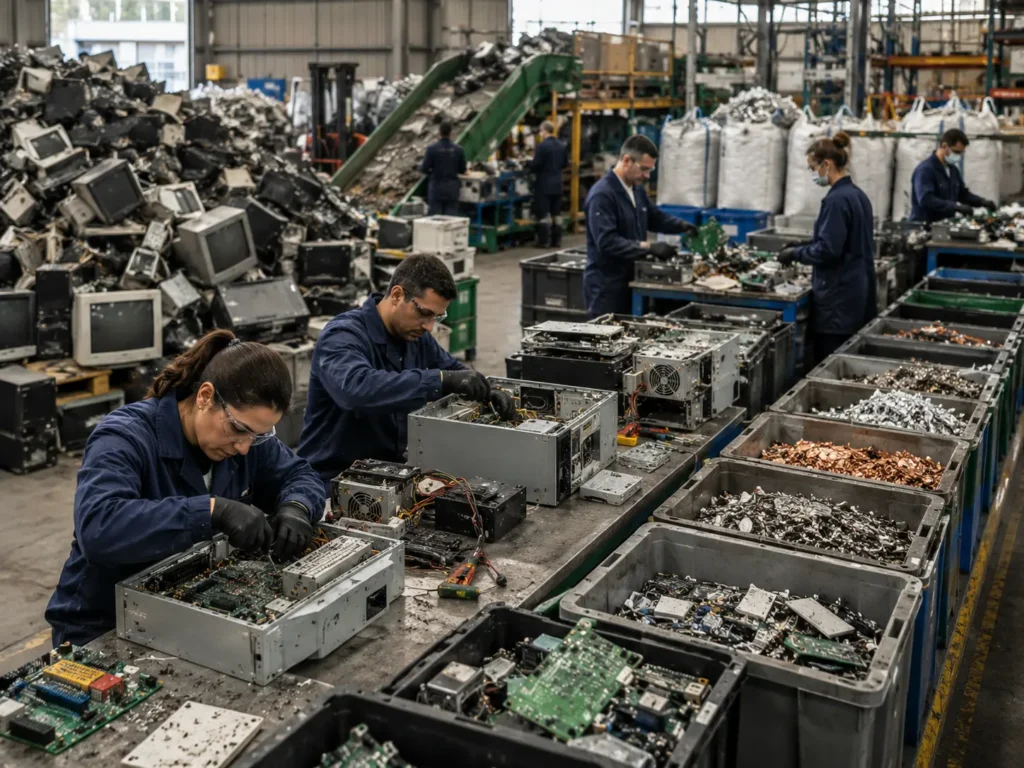
When a computer reaches the end of its useful life, it enters one of the fastest-growing waste streams on the planet. Globally, over 53.6 million metric tonnes of e-waste are generated each year, and responsible disposal remains the exception.
The following areas deserve particular attention.
Why Phase-Out Decisions Affect What Gets Recycled
Corporate phase-out timelines play a bigger part. Many businesses follow aggressive obsolescence schedules that replace equipment before it has reached the end of its useful life. Without a clear end-of-life strategy, perfectly functional electronic components can enter the waste stream before their intended service life.
On the other side, proactive obsolescence management helps organisations make better use of existing equipment and components. As a result, components’ lifecycles extend, fewer obsolete parts end up in landfill, and organisations gain greater control over how equipment is replaced, reused, and ultimately disposed of.
Circular Economy Approaches to Electronics Disposal
A circular economy approach to electronics keeps valuable materials in production and fewer devices out of landfill. Refurbishment, remanufacturing, and material recovery are the three central strategies here.
Each one extends the working life of electronic devices and cuts the volume of e-waste entering disposal streams. Several European programmes now require manufacturers to support repairability and responsible disposal as standard. Both moves signal a wider industry shift toward genuinely sustainable practices.
Together, these developments are helping restructure how the industry manages electronic products throughout their lifecycle.
Lifecycle Management and Best Practices for Longer Device Life
Effective lifecycle management reduces unnecessary waste. It cuts operational costs, extends device performance, and gives organisations far greater control over their technology decisions.
Two approaches are changing how companies manage their devices long-term.
Proactive Obsolescence Management in Practice
Proactive obsolescence management means anticipating when components will fail, instead of waiting for a breakdown to force the decision. So, the scheduled maintenance and timely upgrades prevent unnecessary full-device replacements.
Plus, inventory costs drop, lifecycle status stays stable, and fewer obsolete components enter the waste stream. With diminishing manufacturing sources for older parts, early planning is simply the wise strategy.
How Predictive Analytics and Machine Learning Are Changing Things
Predictive analytics involves predicting equipment failure to avoid costly downtime. It pulls lifecycle data from device performance and forecasts when critical components will need attention.
Machine learning models then process that data, flag inefficiencies, and recommend action before a breakdown hits. As these technologies continue to improve, organisations can make smarter decisions throughout the asset lifespan.
The result is better performance, lower maintenance costs, and fewer unexpected disruptions.
Future Trends in Electronics Lifecycle Stages
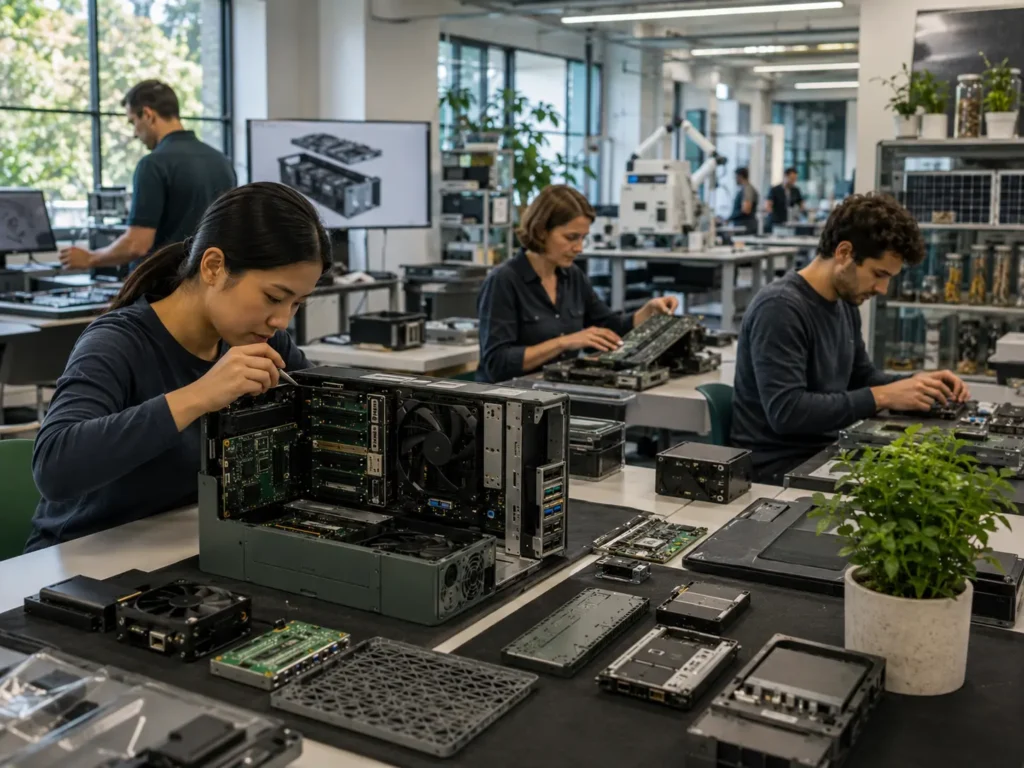
Emerging shifts in design, legislation, and material science are making it genuinely possible to build computers that last longer and leave less behind. Like, modular device design is gaining traction as a practical way to simplify repairs and extend product lifecycle stages.
The future of electronics is being influenced by both regulation and innovation. Stricter extended producer responsibility requirements are driving greener manufacturing approaches, while new material recovery technologies are making end-of-life processing more efficient.
In response, companies are integrating predictive analytics, machine learning, and smarter lifecycle tracking tools into everyday product lifecycle management. They are investing in future-proof design and circular economy principles now. In return, they are seeing lower costs, reduced e-waste, and stronger alignment with tightening environmental regulations.
What You Can Do From Here
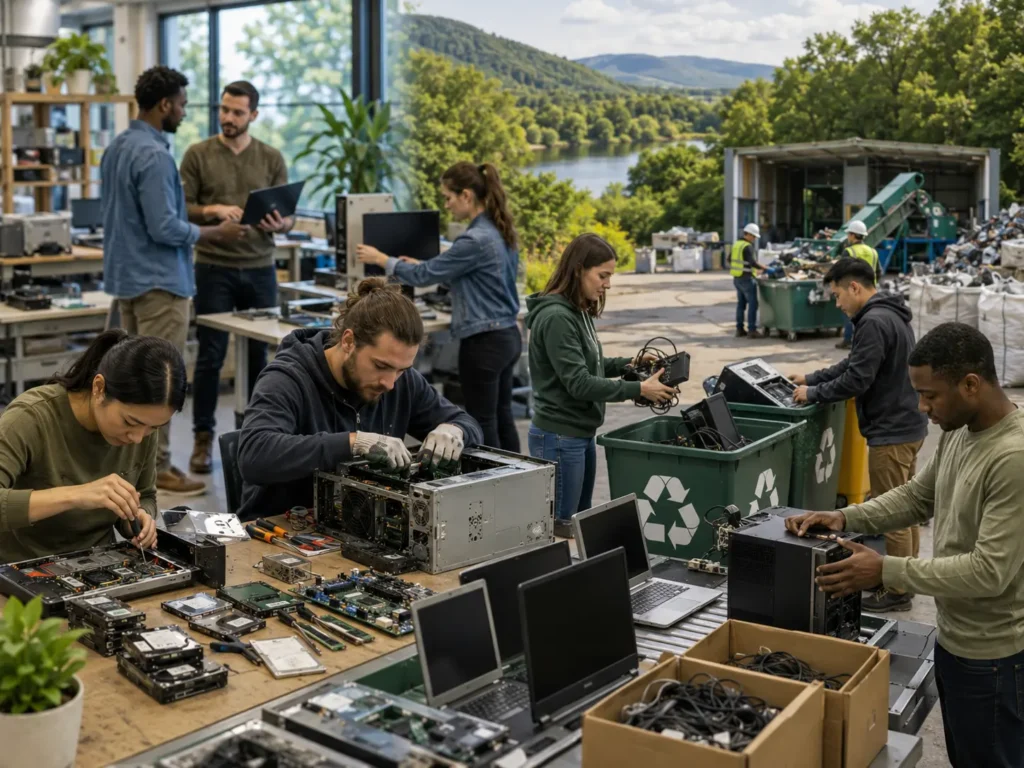
The full journey of a computer is long, resource-heavy, and consequential at every stage. But it is also a journey with clear points where better decisions are genuinely important, for businesses, consumers, and the planet.
Small choices compound quickly. Picking repairable devices, practising responsible disposal, and supporting sustainable practices all contribute to reducing e-waste at a meaningful scale.
At Chaire-Cycledevie, we have spent over two decades building resources to help you stay ahead of these challenges. Explore our other guides on lifecycle management, responsible disposal, and sustainable technology choices to keep making informed choices.